Wildlife Biologist · Data Systems · Quantitative Ecology
I study how wildlife use landscapes across the western United States — building the quantitative models, collaborative monitoring programs, and data systems that make large-scale research possible. Most of my work lives somewhere between a camera trap and an occupancy model, which turns out to be a pretty interesting — and occasionally messy — place to be.
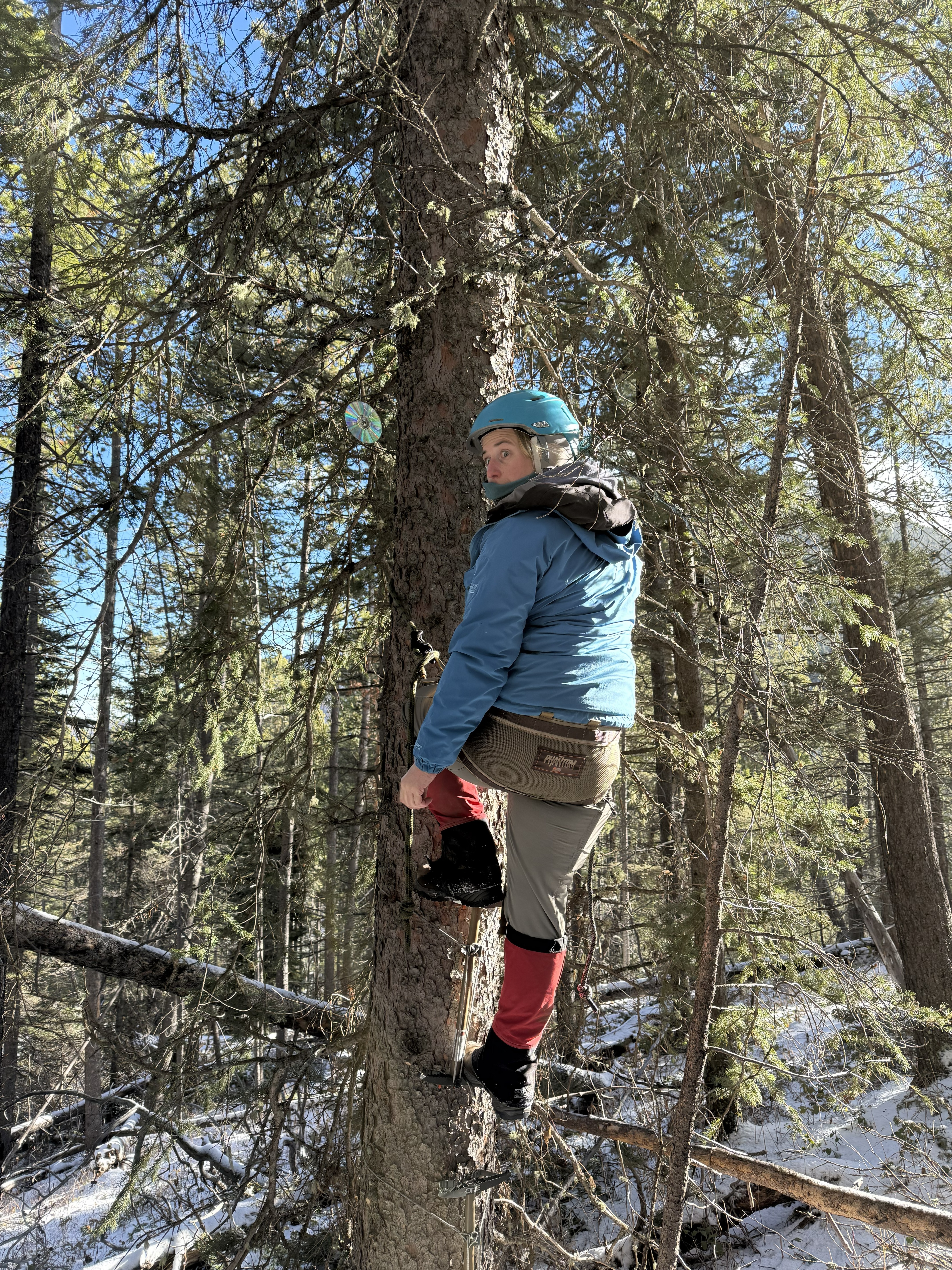
Helena-Lewis and Clark NF, MT · Mesocarnivore Monitoring
Research
My career has moved from hands-on fieldwork toward a focus on non-invasive methods, collaborative monitoring programs and data systems, and the quantitative tools needed to make multi-project monitoring meaningful at landscape scales.
I'm part of a western-wide effort at the USFS Rocky Mountain Research Station providing National Forests with protocols and data systems to monitor mesocarnivores including wolverine, fisher, lynx, red fox, and marten.
For my master's thesis (U of Montana, 2025) I developed a predictive occupancy model for red foxes (Vulpes vulpes) in the Rocky Mountains, drawing on camera trap data from projects in WA, ID, MT, CO, WY, and UT. The model examines the influence of coyote presence and landscape covariates on red fox occurrence — with additional analyses planned as the work moves toward publication.
Over a decade of fieldwork convinced me that good data infrastructure is as important as good science. I've built databases and data pipelines for several projects, with a focus on systems flexible enough to accommodate collaboration but standardized enough to actually be useful for analysis.
My master's thesis also examined how spatially and temporally uneven sampling — the reality of most collaborative programs — affects statistical power to detect population trends. Results are continuing to help shape sampling protocols for the USFS mesocarnivore monitoring effort.
About
Growing up in the Midwest, I told anyone who'd listen that I wanted to save the animals. A B.S. in Zoology from Drake University — and several jobs in zoo education departments — was probably inevitable.
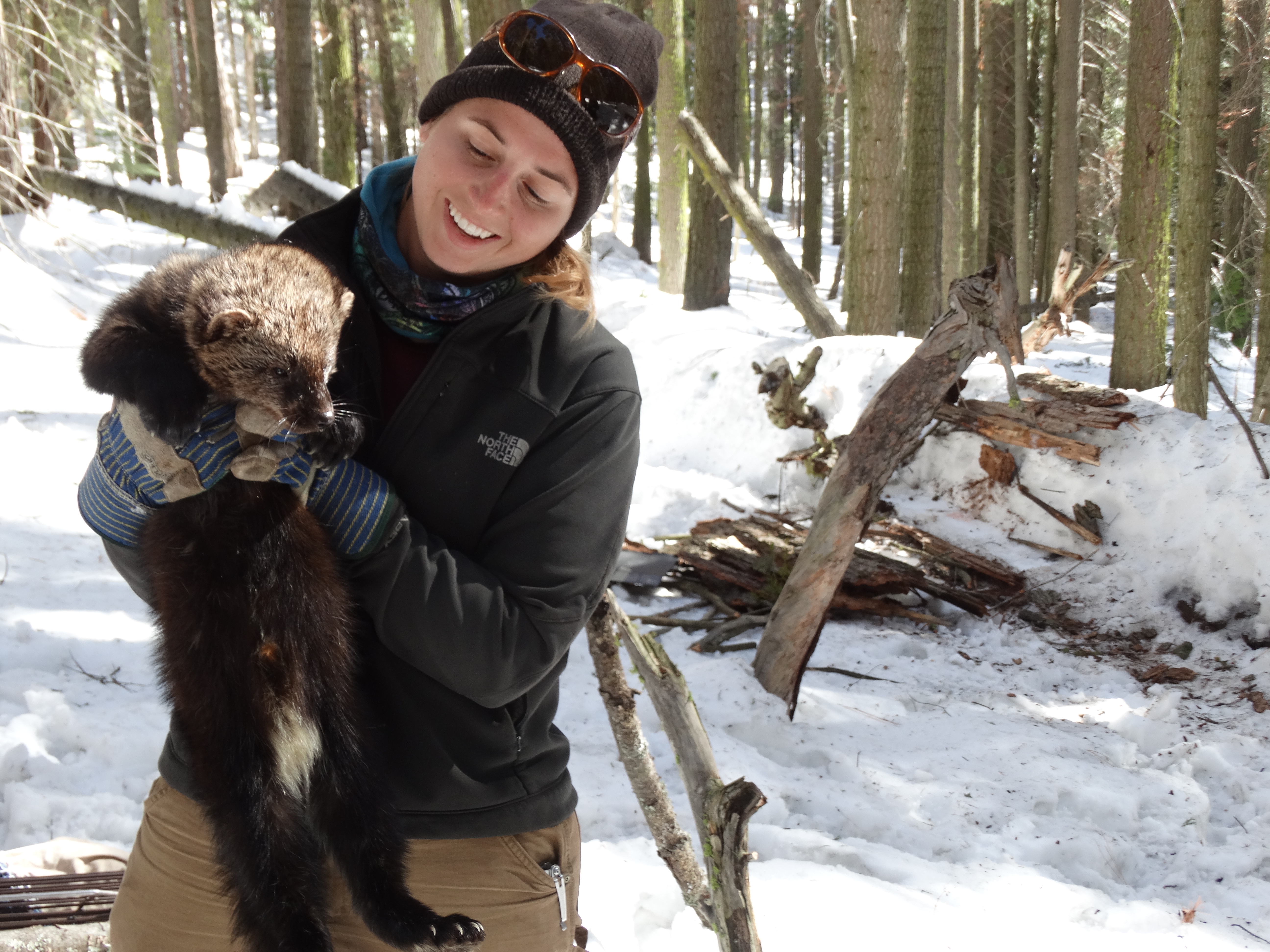
What followed was ten years of field work across the country: the Conservation Corps of Iowa, a shorebird study in North Dakota, a long-term fisher program in the Sierra Nevada, a deer and mountain lion project in Northern California. Eventually I traded live captures for camera traps and GPS data, and found myself just as absorbed.
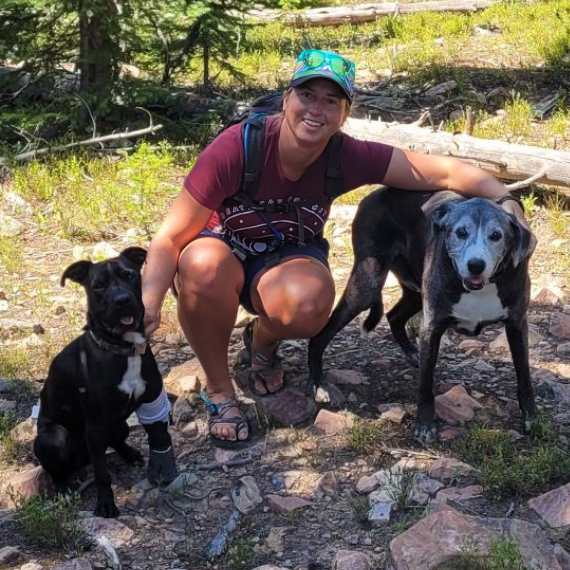
I received my M.S. in Wildlife Ecology from the University of Montana in 2025. These days I'm based in Great Falls, MT, and when I'm not buried in the data I'm usually in the mountains — hiking, skiing, backpacking, or floating a river with my dogs and partner. If it's raining, I'm probably baking something to relieve stress, or listening to the soothing sounds of David Attenborough describing the wonders of nature.
Current position
Wildlife Biologist / Quantitative Ecologist
Oregon State University / USFS Rocky Mountain Research Station
Education
M.S. Wildlife Ecology, University of Montana, 2025
B.S. Zoology, Drake University, 2011
Methods
Occupancy modeling · Camera trapping · Database design · Collaborative monitoring
Based in
Great Falls, Montana
Sierra NF, CA · Fisher Capture
Helena-Lewis and Clark NF, MT · Hiking in the Little Belt Mountains
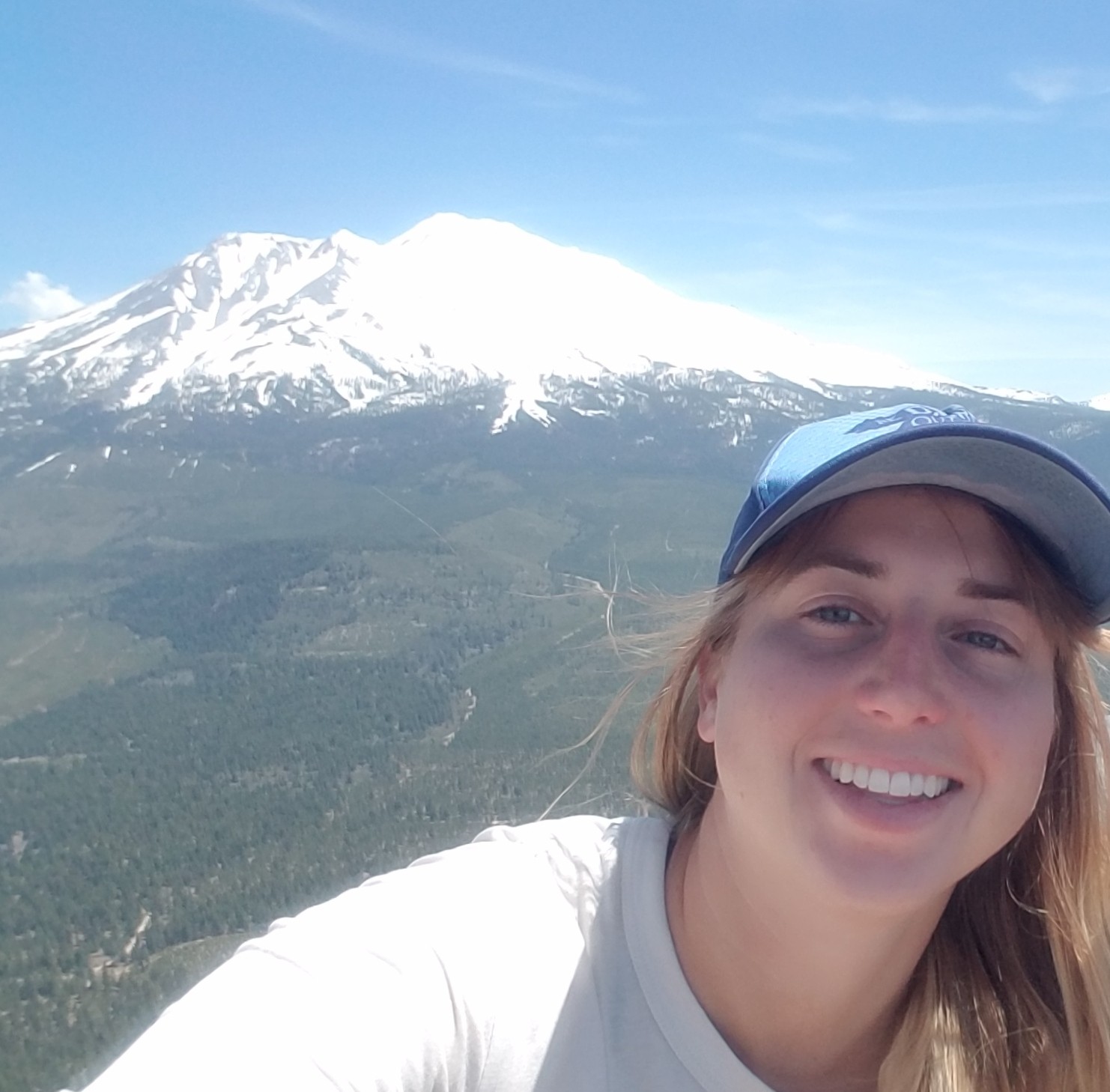
Shasta NF, CA · Hiking near Mt Shasta